TOKOH
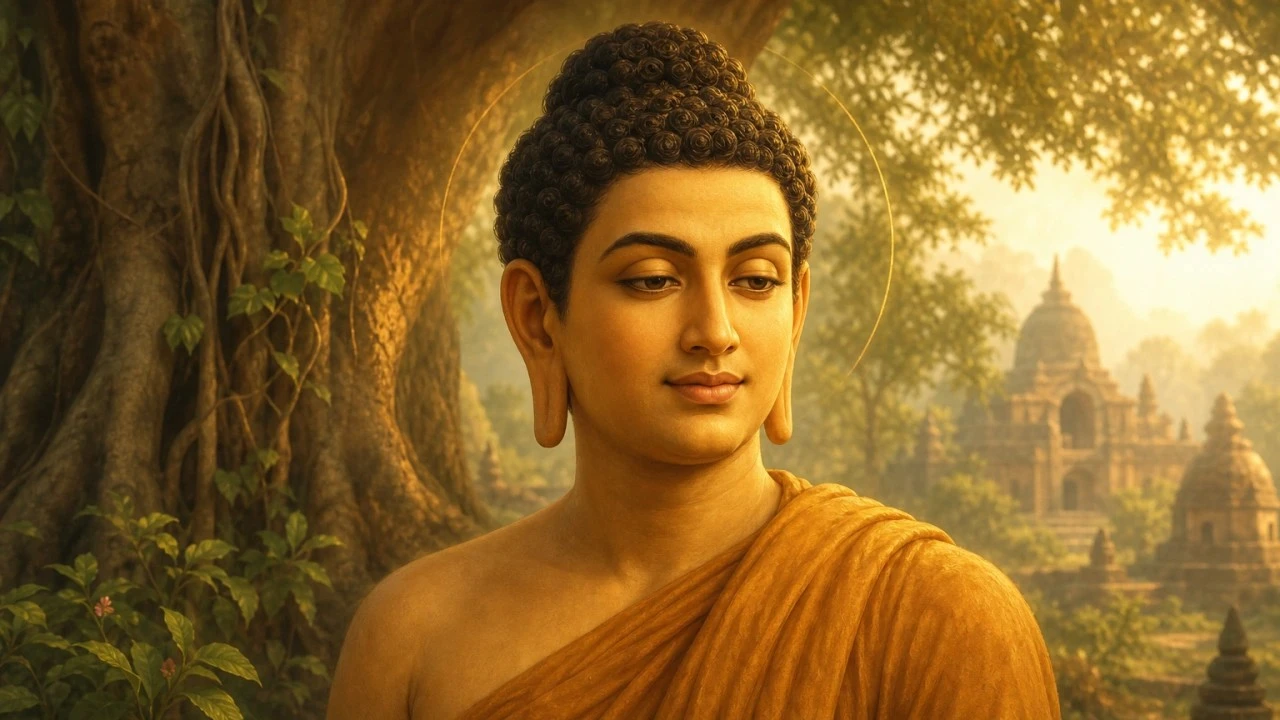
Buddha
Guru yang menjawab tuntutan Māluṅkyaputta dengan perumpamaan anak panah beracun.
Cūḷamālukyasutta — Khotbah Pendek kepada Māluṅkyaputta
Māluṅkyaputta mengancam akan meninggalkan latihan bila Buddha tidak menjawab pertanyaan metafisik. Buddha menjawab dengan perumpamaan terkenal tentang orang yang terkena anak panah beracun. Inilah Cūḷamāluṅkya Sutta.
Guru yang menjawab tuntutan Māluṅkyaputta dengan perumpamaan anak panah beracun.
Bhikkhu yang mengancam meninggalkan latihan bila pertanyaan metafisiknya tidak dijawab Buddha.
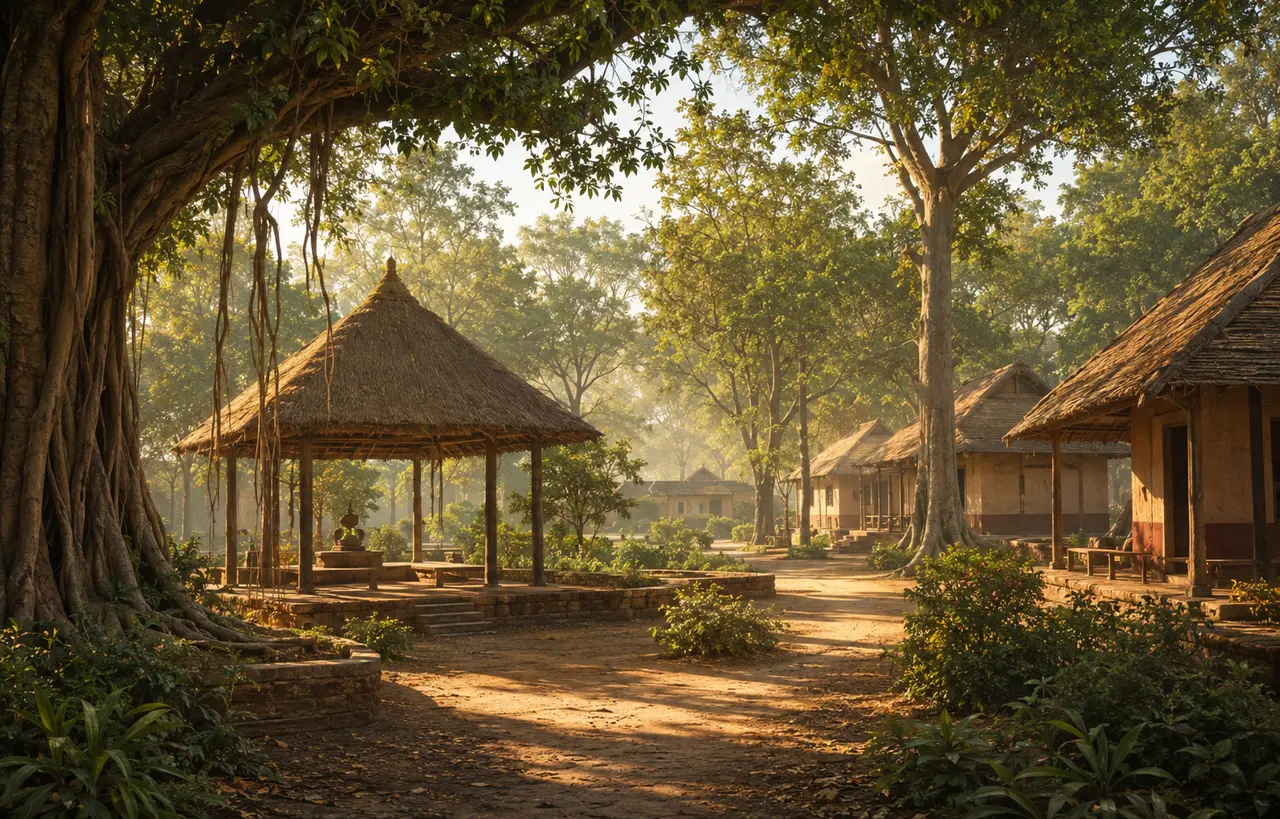
Wihara di Sāvatthī, tempat Māluṅkyaputta menyampaikan tuntutannya kepada Buddha.
Seperti orang terkena panah beracun yang harus segera diobati, bukan menunggu tahu siapa pemanahnya, latihan menuju akhir penderitaan tidak bergantung pada terjawabnya pertanyaan metafisik yang tidak berguna.
Māluṅkyaputta merasa tidak puas karena Buddha tidak menjawab sejumlah pertanyaan spekulatif: apakah dunia kekal atau tidak, terbatas atau tidak, apakah jiwa sama dengan tubuh, dan apa yang terjadi pada Tathāgata setelah kematian. Ia mengancam akan meninggalkan latihan bila jawaban tidak diberikan. Buddha bertanya apakah pernah menjanjikan jawaban tersebut sebagai syarat menjadi murid—dan Māluṅkyaputta mengakui tidak. Lalu muncul perumpamaan terkenal tentang orang yang terkena panah beracun tetapi menolak dicabut sebelum mengetahui siapa pemanahnya, jenis busur, tali, anak panah dan berbagai rincian lain. Ia akan mati sebelum pertanyaannya selesai. Demikian pula Buddha mengarahkan perhatian pada persoalan yang mendesak: penderitaan, asalnya, berakhirnya, dan jalan menuju akhirnya.
mn63:5.1 Suppose someone were to say this:
mn63:5.2 ‘I will not lead the spiritual life under the Buddha until the Buddha declares to me
mn63:5.3 that the cosmos is eternal, or that the cosmos is not eternal …
mn63:5.4 or that after death a realized one neither still exists nor no longer exists.’
mn63:5.5 That would still remain undeclared by the Realized One, and meanwhile that individual would die.
mn63:5.6 Suppose a man was struck by an arrow thickly smeared with poison.
mn63:5.7 His friends and colleagues, relatives and kin would get a surgeon to treat him.
mn63:5.8 But the man would say:
mn63:5.9 ‘I won’t extract this arrow as long as I don’t know whether the man who wounded me was an aristocrat, a brahmin, a peasant, or a menial.’
mn63:5.10 He’d say:
mn63:5.11 ‘I won’t extract this arrow as long as I don’t know the following things about the man who wounded me: his name and clan;
mn63:5.13 whether he’s tall, short, or medium;
mn63:5.15 whether his skin is black, brown, or dingy;
mn63:5.17 and whether he comes from such-and-such village, town, or city.
mn63:5.19 I won’t extract this arrow as long as I don’t know whether the bow that wounded me was straight or recurved;
mn63:5.21 whether the bow-string is made of swallow-wort fibre, sunn hemp fibre, sinew, sanseveria fibre, or spurge fibre;
mn63:5.23 whether the shaft is made from a bush or a plantation tree;
mn63:5.25 whether the shaft was fitted with feathers from a vulture, a heron, a hawk, a peacock, or a stork;
mn63:5.27 whether the shaft was bound with sinews of a cow, a buffalo, a black lion, or an ape;
mn63:5.29 and whether the arrowhead was spiked, razor-tipped, barbed, made of iron or a calf’s tooth, or lancet-shaped.’
mn63:5.30 That man would still not have learned these things, and meanwhile they’d die.
mn63:5.31 In the same way, suppose someone was to say:
mn63:5.32 ‘I will not lead the spiritual life under the Buddha until the Buddha declares to me
mn63:5.33 that the cosmos is eternal, or that the cosmos is not eternal …
mn63:5.34 or that after death a realized one neither still exists nor no longer exists.’
mn63:5.35 That would still remain undeclared by the Realized One, and meanwhile that individual would die.
Terjemahan Indonesia Tiga Keranjang dibuat dengan bantuan AI dan disajikan bersama teks Pāli serta English untuk memudahkan pembacaan dan perbandingan.