TOKOH
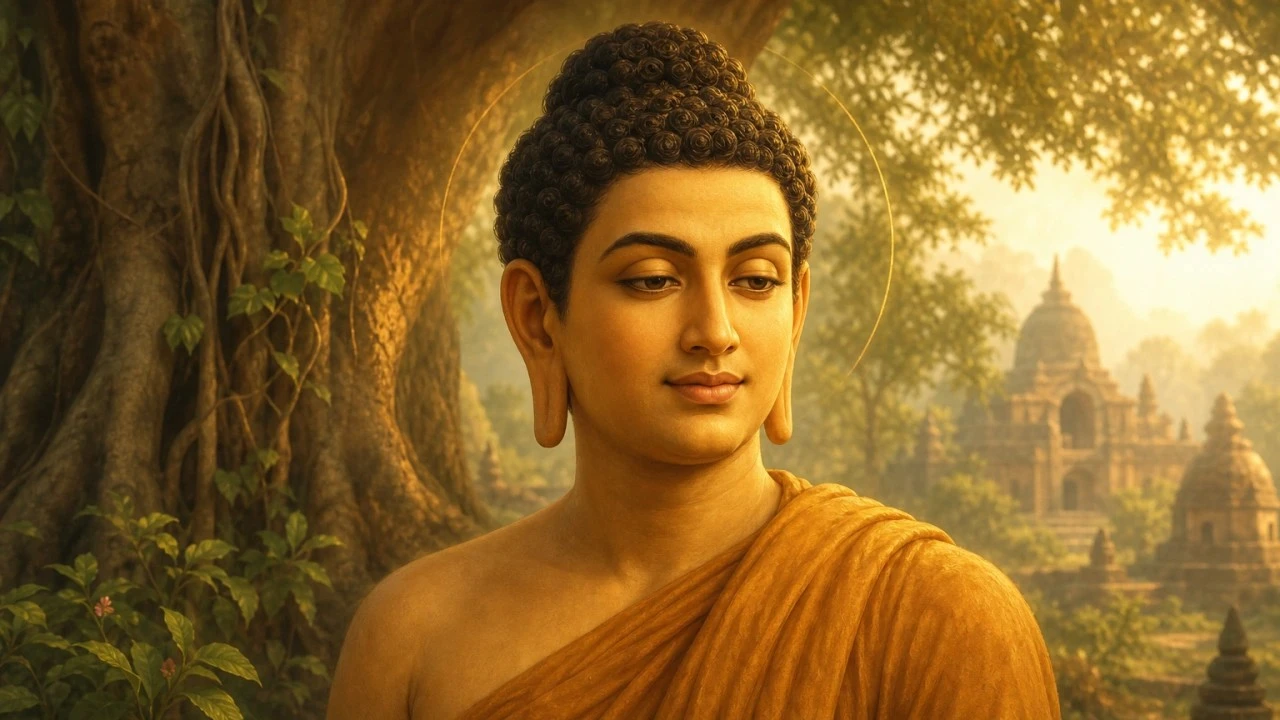
Buddha
Guru yang mengajarkan empat landasan perhatian penuh kepada para bhikkhu di negeri suku Kuru.
Khotbah tentang Penegakan Perhatian
Di negeri suku Kuru, Buddha mengajarkan Satipaṭṭhāna Sutta: satu-satunya jalan menuju kemurnian batin, yaitu memperhatikan tubuh, perasaan, pikiran, dan fenomena batin dengan penuh kesadaran.
Guru yang mengajarkan empat landasan perhatian penuh kepada para bhikkhu di negeri suku Kuru.
Kota kecil di negeri suku Kuru, tempat Buddha menyampaikan ajaran tentang empat landasan perhatian penuh.
Mengamati tubuh, perasaan, pikiran, dan objek pikiran apa adanya, tekun dan jernih, tanpa keserakahan maupun kesedihan terhadap dunia.
Buddha menyatakan kepada para bhikkhu satu jalan langsung untuk pemurnian, mengatasi kesedihan dan ratapan, mengakhiri penderitaan, dan merealisasikan Nibbāna: empat landasan perhatian penuh. Ia kemudian membawa pendengar melalui latihan secara bertahap—mengamati tubuh melalui napas, postur dan berbagai perenungan tubuh; mengamati perasaan sebagai menyenangkan, menyakitkan atau netral; mengenali keadaan batin sebagaimana adanya; lalu mengamati kualitas-kualitas Dhamma seperti lima rintangan, kelompok-kelompok kemelekatan, landasan indra, faktor pencerahan dan Empat Kebenaran Mulia. Sutta ditutup dengan penegasan tentang buah besar dari pengembangan perhatian penuh yang tekun.
mn10:36.0.1 4. Observing Principles
mn10:36.0.2 4.1. The Hindrances
mn10:36.1 And how does a mendicant meditate observing an aspect of principles?
mn10:36.2 It’s when a mendicant meditates by observing an aspect of principles with respect to the five hindrances.
mn10:36.3 And how does a mendicant meditate observing an aspect of principles with respect to the five hindrances?
mn10:36.4 It’s when a mendicant who has sensual desire in them understands: ‘I have sensual desire in me.’ When they don’t have sensual desire in them, they understand: ‘I don’t have sensual desire in me.’ They understand how sensual desire arises; how, when it’s already arisen, it’s given up; and how, once it’s given up, it doesn’t arise again in the future.
mn10:36.5 When they have ill will in them, they understand: ‘I have ill will in me.’ When they don’t have ill will in them, they understand: ‘I don’t have ill will in me.’ They understand how ill will arises; how, when it’s already arisen, it’s given up; and how, once it’s given up, it doesn’t arise again in the future.
mn10:36.6 When they have dullness and drowsiness in them, they understand: ‘I have dullness and drowsiness in me.’ When they don’t have dullness and drowsiness in them, they understand: ‘I don’t have dullness and drowsiness in me.’ They understand how dullness and drowsiness arise; how, when they’ve already arisen, they’re given up; and how, once they’re given up, they don’t arise again in the future.
mn10:36.7 When they have restlessness and remorse in them, they understand: ‘I have restlessness and remorse in me.’ When they don’t have restlessness and remorse in them, they understand: ‘I don’t have restlessness and remorse in me.’ They understand how restlessness and remorse arise; how, when they’ve already arisen, they’re given up; and how, once they’re given up, they don’t arise again in the future.
mn10:36.8 When they have doubt in them, they understand: ‘I have doubt in me.’ When they don’t have doubt in them, they understand: ‘I don’t have doubt in me.’ They understand how doubt arises; how, when it’s already arisen, it’s given up; and how, once it’s given up, it doesn’t arise again in the future.
Terjemahan Indonesia Tiga Keranjang dibuat dengan bantuan AI dan disajikan bersama teks Pāli serta English untuk memudahkan pembacaan dan perbandingan.