TOKOH
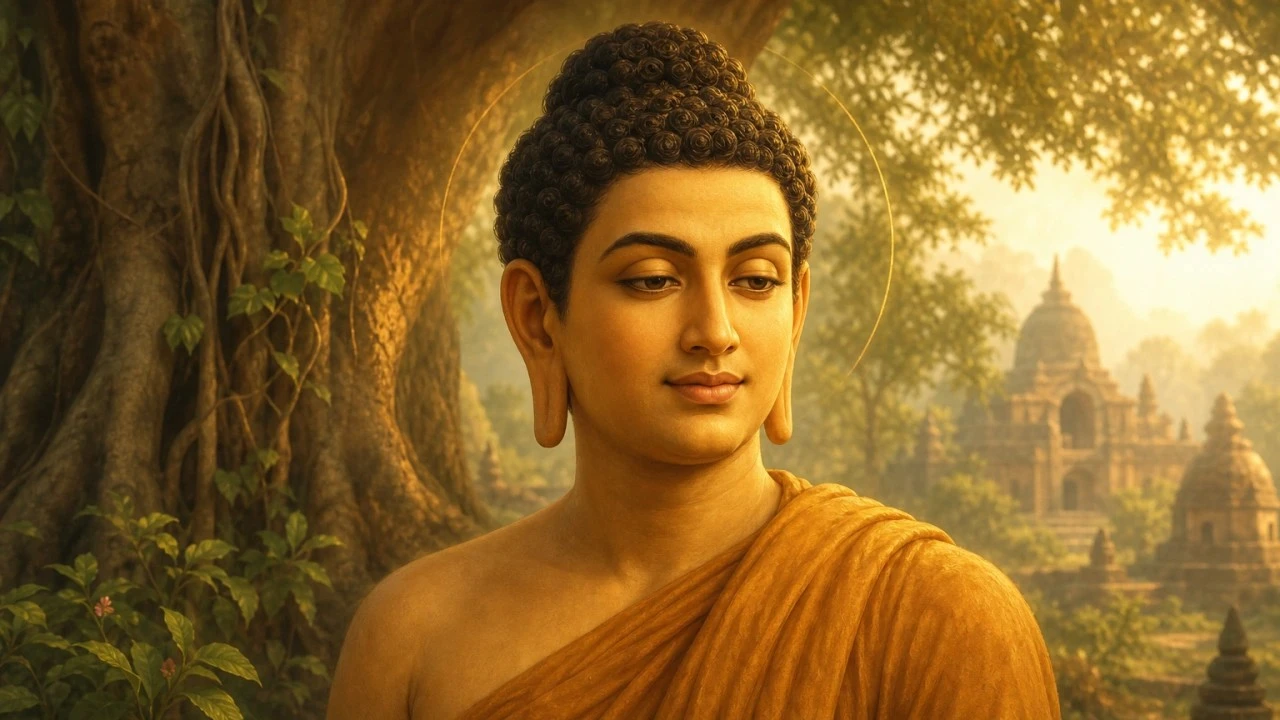
Buddha
Guru yang menguji pandangan tentang karma lampau, tapa keras, dan jalan berakhirnya penderitaan.
Khotbah di Devadaha
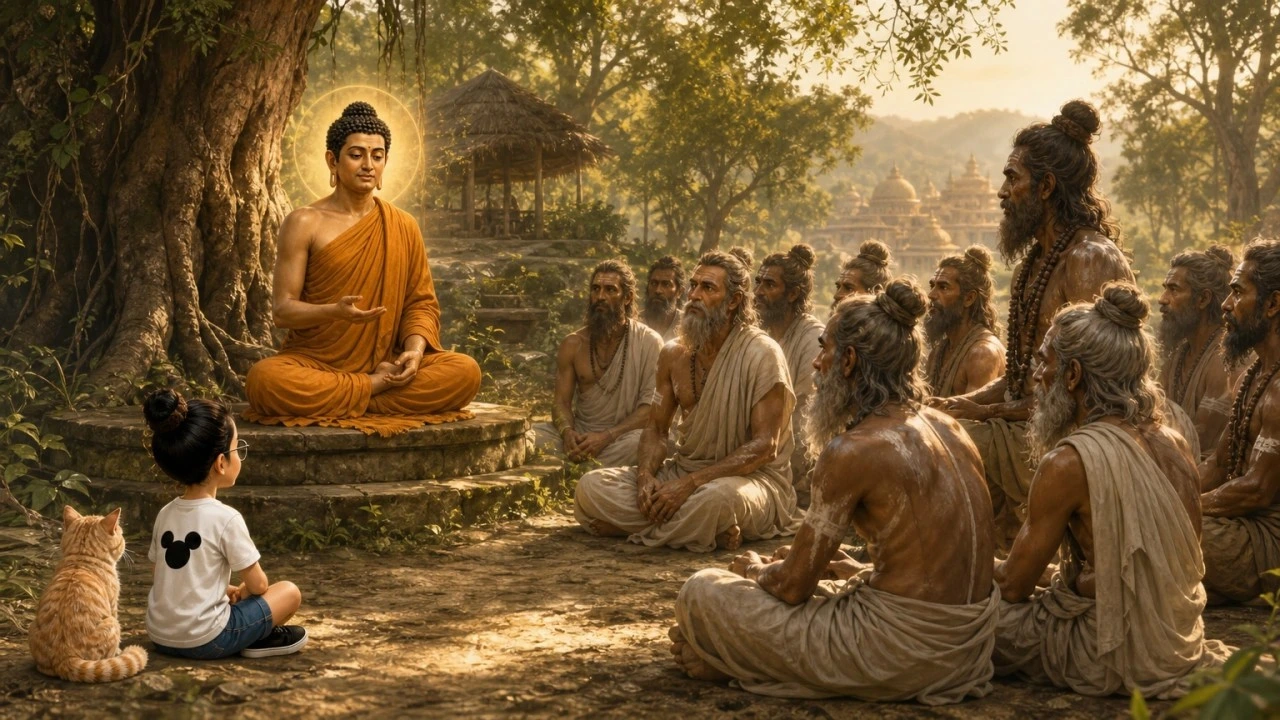
Di Devadaha, Buddha membahas pandangan para Nigaṇṭha yang menekankan bahwa penderitaan sekarang terutama berasal dari perbuatan lampau dan harus dihabiskan melalui tapa keras. Buddha menilai pandangan itu tidak cukup dan menunjukkan jalan yang lebih jernih menuju berakhirnya penderitaan. Inilah Devadaha Sutta.
Guru yang menguji pandangan tentang karma lampau, tapa keras, dan jalan berakhirnya penderitaan.
Kelompok petapa Jain yang dijadikan contoh dalam pembahasan tentang penderitaan dan karma.
Kota Sakya tempat Buddha menyampaikan pembahasan ini kepada para bhikkhu.
Sutta ini menolak penyederhanaan bahwa penderitaan sekarang hanya akibat masa lalu; latihan harus dipahami melalui sebab, pilihan, dan pelepasan yang nyata.
Buddha membahas ajaran para Nigaṇṭha di Devadaha yang menyatakan bahwa semua pengalaman sekarang disebabkan kamma masa lalu dan bahwa kamma buruk dapat dihabiskan dengan menyiksa diri sambil tidak membuat kamma baru. Buddha menguji teori itu: para petapa tersebut bahkan tidak mengetahui siapa mereka di kehidupan lampau, perbuatan apa yang pernah dilakukan, berapa banyak penderitaan yang sudah habis, atau berapa banyak yang tersisa. Ia menunjukkan bahwa rasa sakit akibat usaha tidak otomatis membuktikan pemurnian. Pembicaraan kemudian membandingkan usaha yang sia-sia dengan usaha yang tepat, serta menjelaskan bagaimana latihan Buddha menggunakan tindakan sekarang secara bijaksana untuk meninggalkan sebab penderitaan.
mn101:32.1 Once they’ve gone forth, they take up the training and livelihood of the mendicants. They give up killing living creatures, renouncing the rod and the sword. They’re scrupulous and kind, living full of sympathy for all living beings.
mn101:32.2 They give up stealing. They take only what’s given, and expect only what’s given. They keep themselves clean by not thieving.
mn101:32.3 They give up unchastity. They are chaste, set apart, refraining from the vulgar act of sex.
mn101:32.4 They give up lying. They speak the truth and stick to the truth. They’re honest and dependable, and don’t trick the world with their words.
mn101:32.5 They give up backbiting. They don’t repeat in one place what they heard in another so as to divide people against each other. Instead, they reconcile those who are divided and support those who are united, delighting in harmony, loving harmony, speaking words that promote harmony.
mn101:32.6 They give up harsh speech. They speak in a way that’s mellow, pleasing to the ear, endearing, going to the heart, polite, and likable and agreeable to the people.
mn101:32.7 They give up talking nonsense. Their words are timely, true, and meaningful, in line with the teaching and training. They say things at the right time which are valuable, reasonable, succinct, and beneficial.
mn101:32.8 They refrain from injuring plants and seeds.
mn101:32.9 They eat in one part of the day, abstaining from eating at night and food at the wrong time.
mn101:32.10 They refrain from seeing shows of dancing, singing, and music.
mn101:32.11 They refrain from attiring and adorning themselves with garlands, fragrance, and makeup.
mn101:32.12 They refrain from high and luxurious beds.
mn101:32.13 They refrain from receiving gold and currency,
mn101:32.14 raw grains,
mn101:32.15 raw meat,
mn101:32.16 women and girls,
mn101:32.17 male and female bondservants,
mn101:32.18 goats and sheep,
mn101:32.19 chickens and pigs,
mn101:32.20 elephants, cows, horses, and mares,
mn101:32.21 and fields and land.
mn101:32.22 They refrain from running errands and messages;
mn101:32.23 buying and selling;
mn101:32.24 falsifying weights, metals, or measures;
mn101:32.25 bribery, fraud, cheating, and duplicity;
mn101:32.26 mutilation, murder, abduction, banditry, plunder, and violence.
Terjemahan Indonesia Tiga Keranjang dibuat dengan bantuan AI dan disajikan bersama teks Pāli serta English untuk memudahkan pembacaan dan perbandingan.